Some sports cars have small back seats that are really only suitable for luggage or small children. Such a configuration is often referred to as a 2+2 (two full seats + two "occasional" seats). The more typical seating arrangement is a two-seat GT.
A sports car has been defined as "an open, low-built, fast motor car. cars have been either spartan or luxurious, but driving and mechanical performance is requisite. A sports car does not require a large, powerful engine, though many do have them. Many classic British sports cars lacked powerful engines, but were known for exceptional handling due to light weight; a well-engineered, balanced chassis; and modern suspension (for example, Lotus Seven, Austin 7 Speedy).Over the years, some manufacturers of sports cars have sought to increase the practicality of their vehicles by increasing the seating room. One method is to place the driver's seat in the center of the car, which allows two full-sized passenger seats on each side and slightly behind the driver. The arrangement was originally considered for the Lamborghini Miura, but abandoned as impractical because of the difficulty for the driver to enter/exit the vehicle. McLaren used the design in their F1.Another British manufacturer, TVR, took a different approach in their Cerbera model. The interior was designed in such a way that the dashboard on the passenger side swept toward the front of the car, which allowed the passenger to sit farther forward than the driver. This gave the rear seat passenger extra room and made the arrangement suitable for three adult passengers and one child seated behind the driver. The arrangement has been referred to by the company as a Matra sports cars even had three seats squeezed next to each other.
Welcome to Serious Wheels, the Internet source for high-quality classic car pictures, wallpapers, and information. From vintage vehicles to muscle cars to modern sports cars, you'll find it here. We are constantly updating the site with new automobiles, so bookmark us now for future reference.The sports car traces its roots to early 20th century touring cars. These raced in early rallys, such as the Herkomer Cup, Prinz Heinrich Fahrt, and Monte Carlo.The first true sports cars (though the term would not be coined until after World War One) were the 3 litre made in 1910 Vauxhall 20 hp (15 kW) and 27/80PS Austro-Daimler (designed by Ferdinand PorscheThese would shortly be joined by the French DFP (which became sporters after tuning by H.M. and W. O. Bentley) and the Rolls-Royce Silver Ghost. In the U.S. (where the type was variously called roadster, speedster, runabout, or raceabout, there was Apperson, Kissel, Marion, Midland, National, Overland, Stoddard-Dayton, and Thomas among small models (which today would be called sports cars), while Chadwick, Mercer, Stutz, and Simplex were among large ones (which might today be called sports sedans or grand tourersIn 1921, Ballot premiered its 2LS, with a remarkable 75 hp (56 kW) DOHC two liter, designed by Ernest Henry (formerly of Peugeot's Grand Prix program), capable of 150 km/h (90 mph); at most, one hundred were built in four years. This was followed by the SOHC 2LT and 2LTS. The same year, Benz built a supercharged 28/95PS four for the Coppa Florio; Max Sailer wonSimson in 1924 offered a Paul Henze-designed 60 hp (45 kW) DOHC 2 liter four, the Simson Supra Type S, in a long-wheelbase 120 km/h (60 mph) tourer and 115 km/h (71 mph) twin-carburettor sporter; only thirty were sold, against around three hundred of the SOHC model and 750 of the pushrod-six Type R. Duerkopp's Zoller-blown two liter in 1924, as There was a clear cleavage by 1925. As four-seaters were more profitable, two-seaters increasingly turned over to specialst manufacturers, led by Alvis, Aston-Martin, and Frazer-Nash, with shoestring budgets, fanatic followers, and limited sales (today exemplified by Aston and Morgan): between 1921 and 1939, 350 Astons were built; 323 Frazer-Nashes in the period 1924-By the end of the 1920s, AC produced a 2 liter six, the 3.5 liter Nazzaro had a three-valve OHC (only until 1922), while French makers Amilcar, Bignan, Hispano-Suiza, and Samson had the typical small four-cylinder sporters and Delage, Hotchkiss, and Chenard-Walcker the large tourers. Benz introduced the powerful SS and SSK, and Alfa Romeo, the Vittori Jano-designed 6C.Two companies would offer the first really reliable sports cars: Austin with the Seven and Morris Garages (MG) with the Midget. The Seven would quickly be "rodded" by numerous companies (as the Type 1 would be a generation later), including Bassett and Dingle (Hammersmith, London); in 1928, a Cozette blower was fitted to the Seven Super Sports, while Cecil Kimber fitted an 847 cc Minor engine, and sold more Midgets in the first year than MG's entire previous productionDecember 2 - 2010 T2 Concept by Idries Noah This concept gives a glimpse of what could be the world’s fastest environmentally-friendly car. The radical T2 Concept uses a 3.5-litre V6 engine mated to two electric motors, making it a supercar with a hint of environmental friendliness. It delivers around 350kW of power and accelerates to 100km/h in around four seconds.Virtually every system in the sedan is new or upgraded for 2011, giving the Chrysler 200 its own identity and space in the highly competitive mid-size sedan segment. Exterior and sheet metal upgrades include: front and rear fascias and fenders, grille featuring the new Chrysler brand winged badge, hood, rear decklid and exterior mirrors.
Read More on: 2011 Chrysler 200

sports cars pic

sports cars pic

sports cars pic

sports cars pic

sports cars pic

sports cars pic

sports cars pic

sports cars pic

sports cars pic

sports cars pic

sports cars pic

sports cars pic
 honda cars
 honda cars
 honda cars
 honda cars
 honda cars
 honda cars
 honda cars
 honda cars
 honda cars
 honda cars
 honda cars
 honda cars
 honda cars
 honda cars
 honda cars
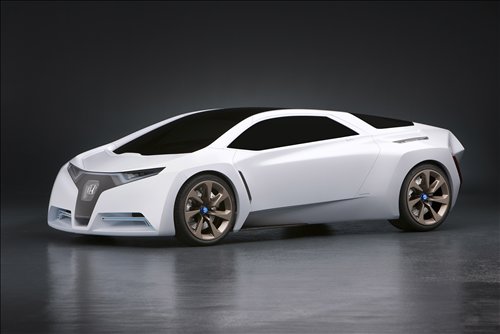 honda cars
 honda cars
 honda cars
 honda cars
 honda cars
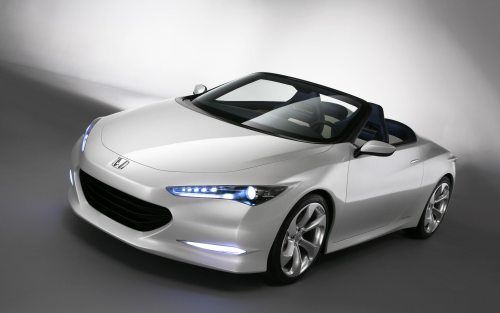 honda cars
 honda cars
 honda cars
 honda cars
 honda cars
 honda cars
 honda cars
 honda cars
 honda cars
 honda cars
 honda cars
 honda cars
 honda cars
 honda cars
 honda cars
 sports cars pic
 sports cars pic
 sports cars pic
 sports cars pic
 sports cars pic
 sports cars pic
 sports cars pic
 sports cars pic
 sports cars pic
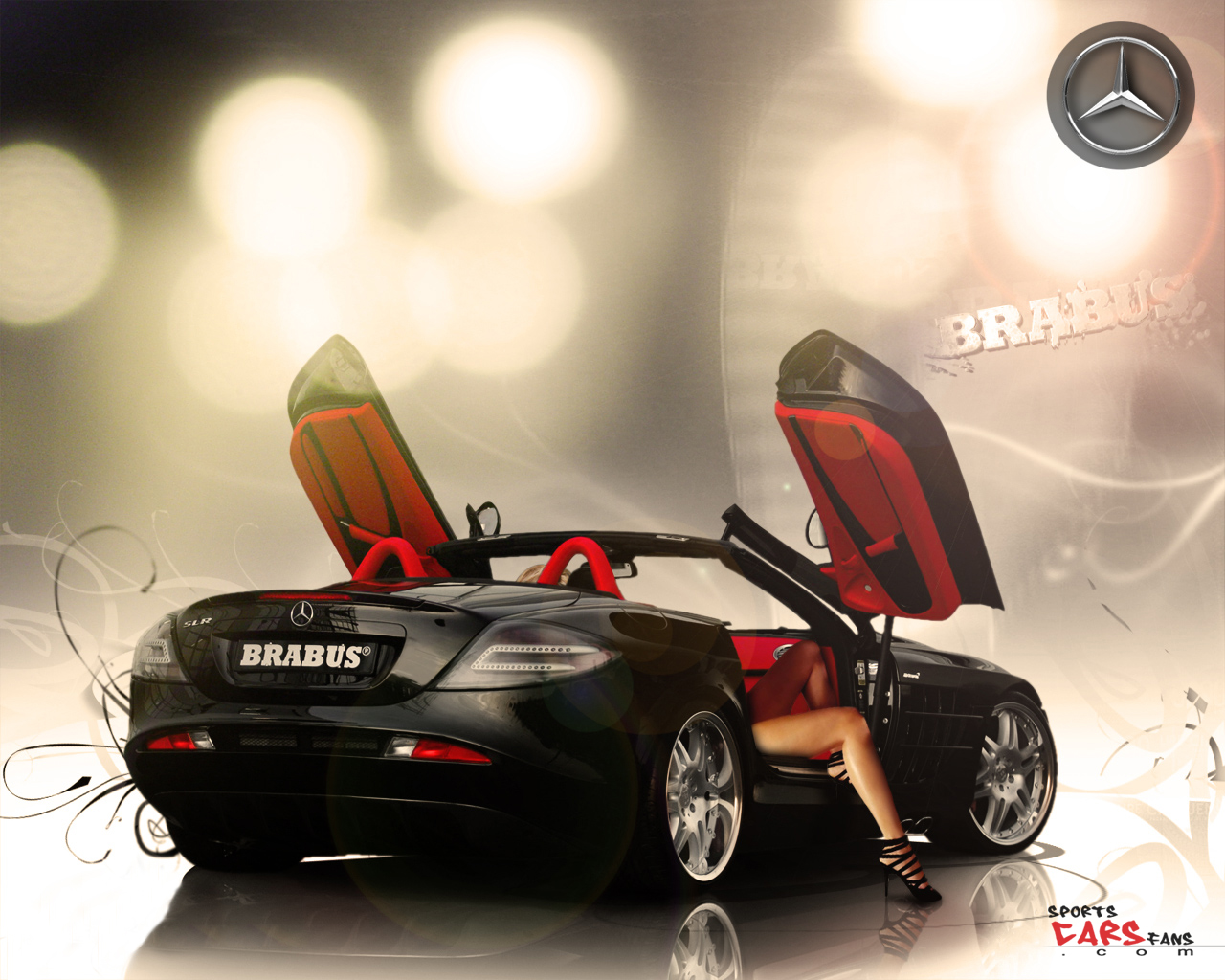 sports cars pic
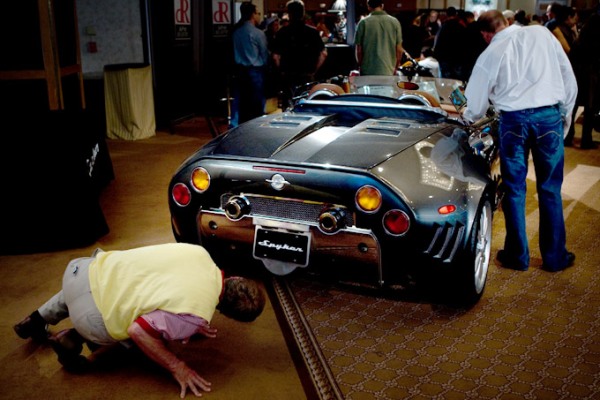 sports cars pic

 ford cars
 ford cars
 ford cars
 ford cars
 ford cars
 ford cars
 ford cars
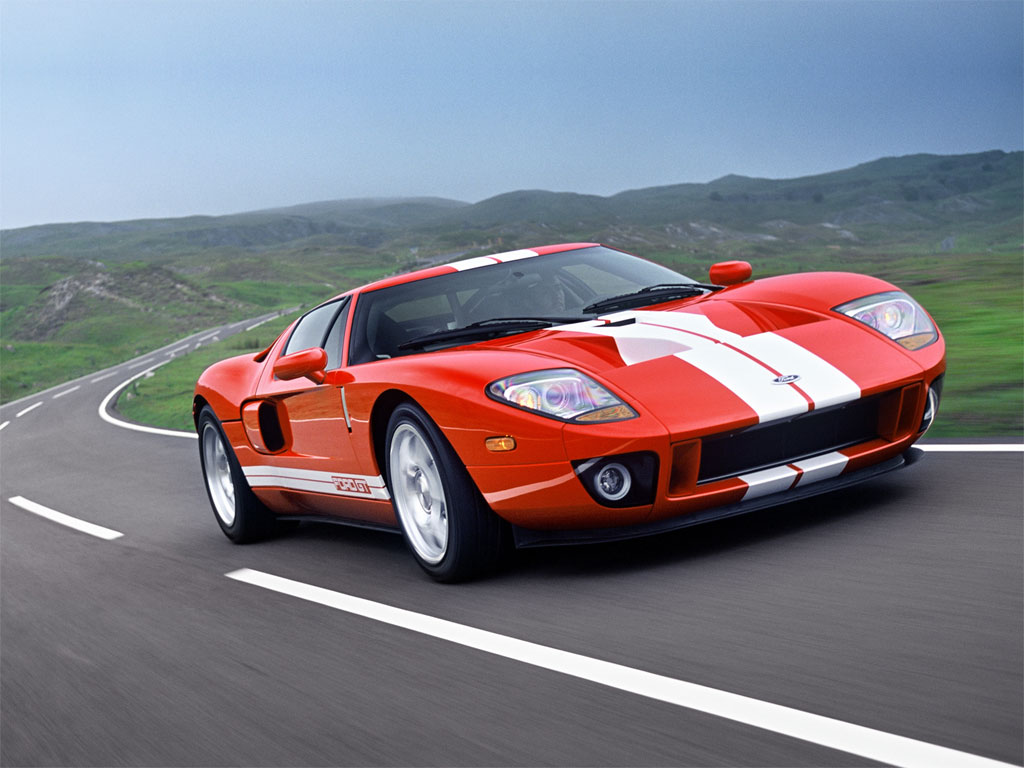 ford cars
 ford cars


